

For a better quality of life
and a beautiful smile

A dental implant improves long-term well-being and oral health

A dental implant is an artificial replacement for the natural tooth root. It serves as a stable anchor for a dental crown, a fixed bridge, or a removable denture. Dental implants can permanently close gaps between teeth. This allows for worry-free chewing, clear speech, a beautiful smile, and thus a better quality of life.

Mike Ballmann

80 years

“I feel very comfortable with my implants. Many of my friends wear removable dentures and often struggle with problems. That was never an option for me.”
Worth knowing

Everything you need to know about dental implants
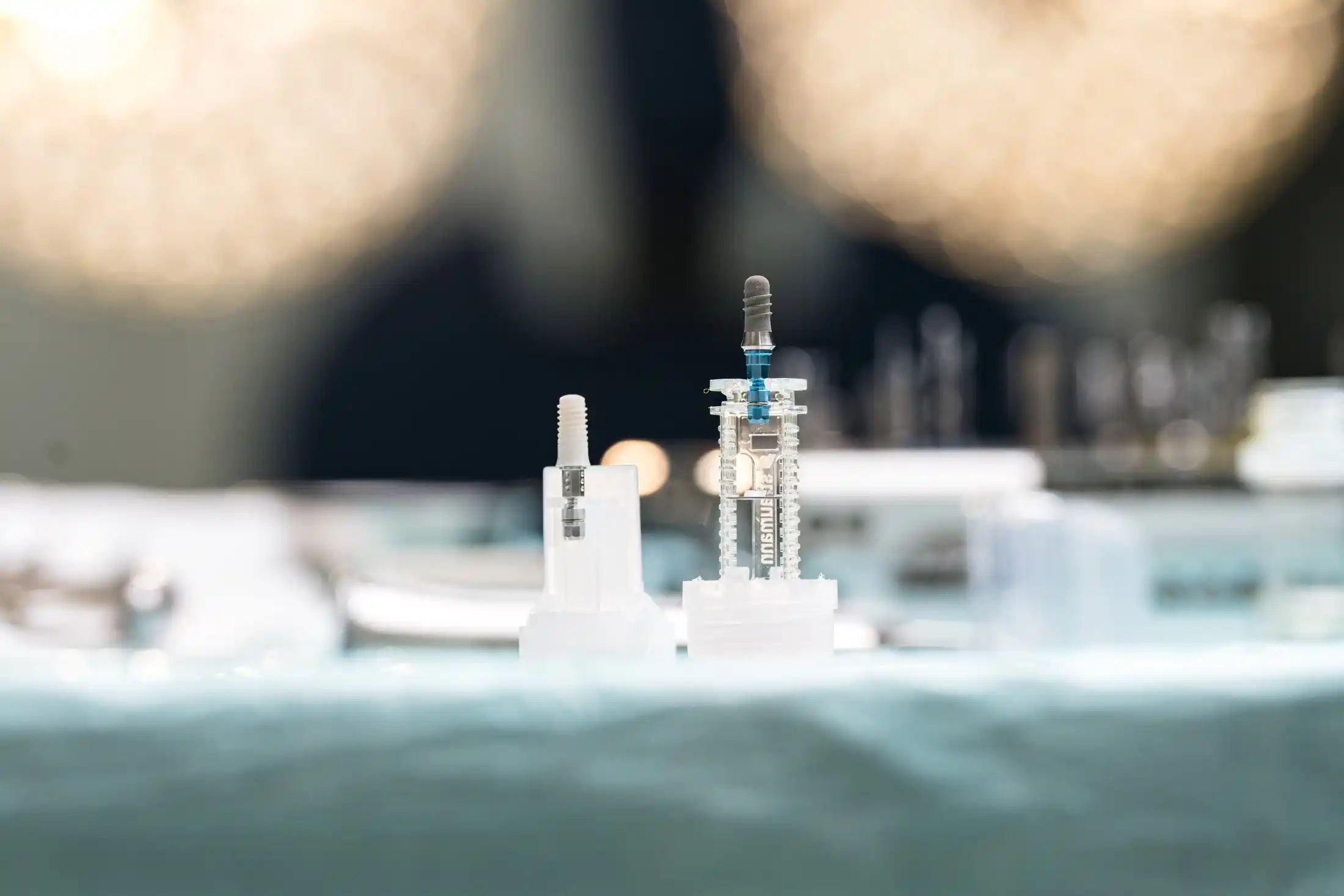
  • What is a dental implant?

    A dental implant is an artificial tooth root made of titanium or zirconia that is firmly anchored in the jawbone. It replaces a missing tooth and serves as a stable base for restorations such as crowns, bridges or dentures, restoring a natural appearance and full chewing function.
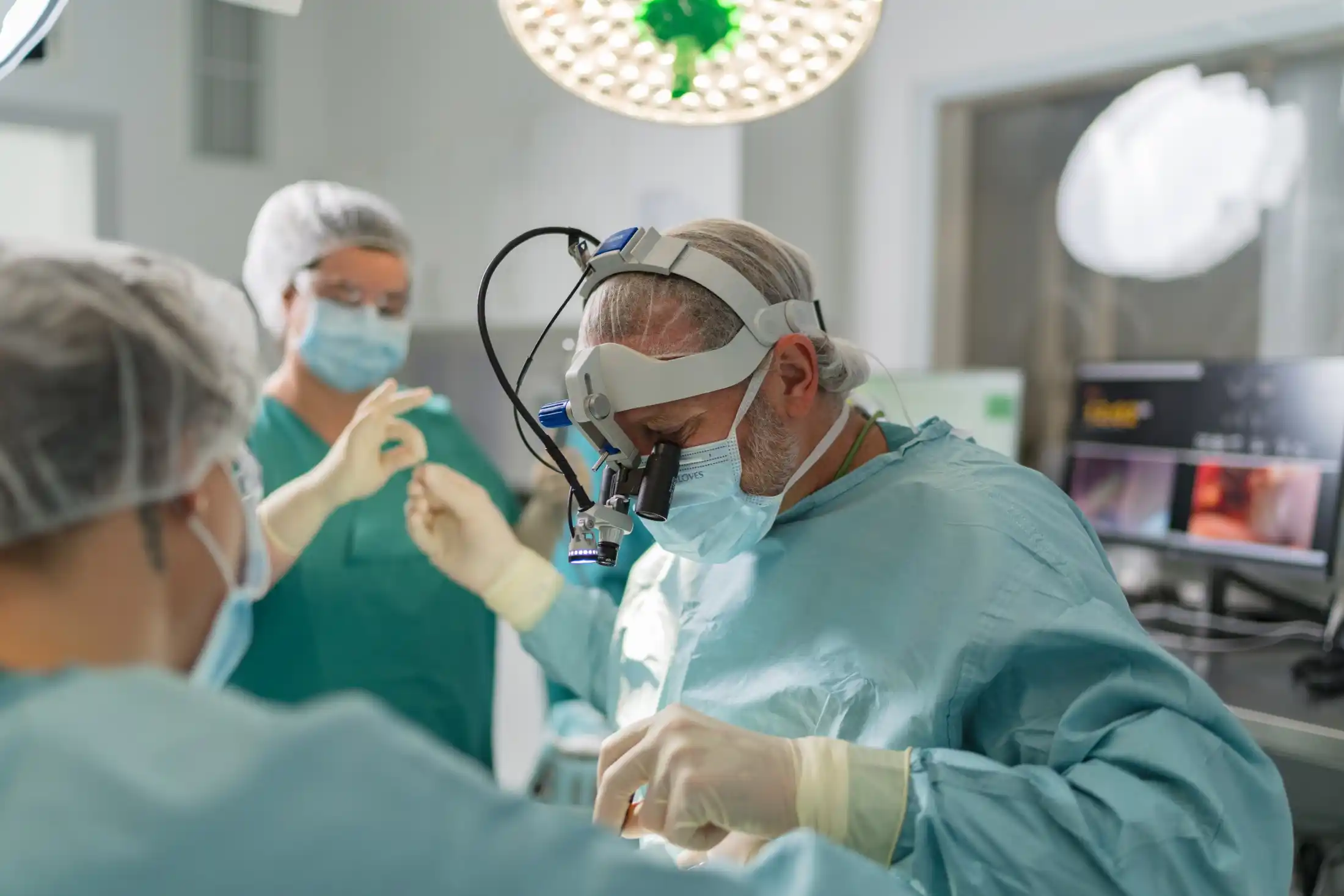
  • When Is a Dental Implant Advisable and When Not?

    A dental implant is advisable when teeth are missing and a stable, long-term solution is desired. However, it should only be used when the state of health, oral hygiene, and bone condition are suitable. Caution is advised in cases of severe general illnesses, inadequate care, or unrealistic expectations.
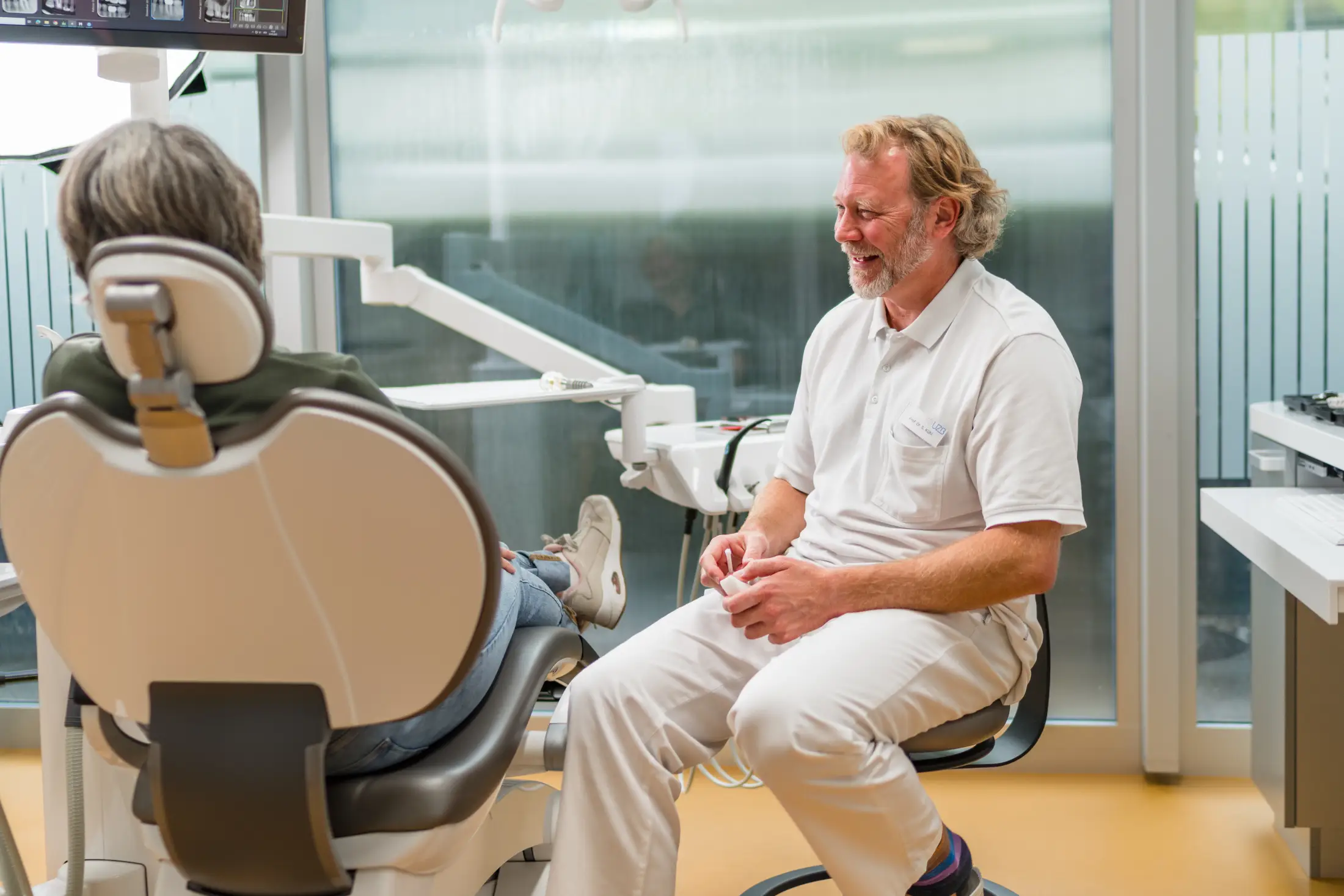
  • How much does a dental implant cost?

    Costs vary depending on the treatment complexity, materials used, and region. Typically, the total price for a single tooth restoration ranges between CHF 3,500 and CHF 5,500. The Swiss Implant Foundation recommends seeking individual advice from dental specialists in Switzerland.

Dentist Finder

Trust the Swiss specialist dentists near you

Brochure

To help you make the right decision

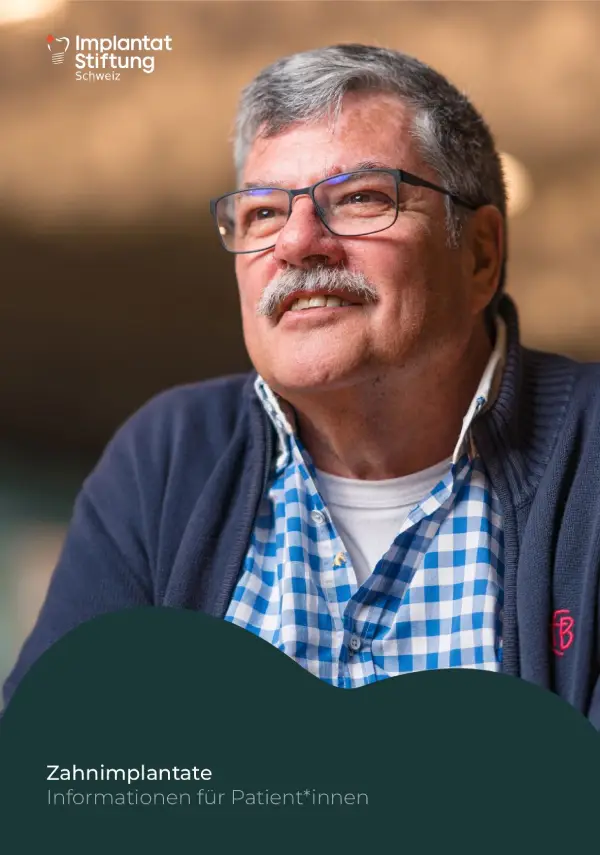
For further information on dental implants and implant treatment, please order our free brochure, either printed and sent to your home or digitally via email.
Your data is in safe hands with us. Find out more in our privacy policy.
(For orders for dental practices, we charge CHF 1 per copy.)

Frequently Asked Questions

The five most common questions from patients

The surgical procedure is performed under local anesthesia and is therefore painless. Discomfort after the operation is usually minor and can be alleviated with pain medication if necessary.
A dental implant is not a quick procedure that can be done “just like that.” It requires thorough clarification, experience in execution, and good aftercare. Only then can the implant integrate properly and last long-term.

In Switzerland, certified specialist dentists are specially trained. They identify risks early, plan individually, and are there for you even after the procedure. They are locally accessible and familiar with your medical history.

Treatments abroad may seem cheaper at first glance. However, incorrectly placed implants or insufficient bone coverage can lead to serious problems. In such cases, there is often no one responsible.

In Switzerland, you benefit from quality, proximity, and security. This means more than just a good feeling: it is the best prerequisite for a successful implant.

Most patients are able to return to work the day after the operation. However, slight pain and swelling may occur, as with any surgical procedure. In rare cases, a bruise (hematoma) may appear on the face.
As a rule, the mandatory basic insurance of your health insurance does not cover dental treatments. However, for certain severe diseases of the masticatory system or certain severe general illnesses and their consequences, the resulting dental treatments are among the mandatory benefits of compulsory health care insurance (Art. 31 KVG). In such cases, a dental implant may under certain circumstances be reimbursed by health insurance. In the event of tooth loss due to an accident, accident insurance will cover the costs of implant treatment after clarification.
An implant is the best solution when one or more teeth are missing and a permanent, stable solution for tooth replacement is sought. The most common reasons for an implant can be accidents, injuries, or hygienic factors such as caries or periodontitis (inflammatory gum disease). An implant can also be used if there is dissatisfaction with existing dentures or if adjacent teeth need to be protected from bridges.
The surgical procedure is performed under local anesthesia and is therefore painless. Discomfort after the operation is usually minor and can be alleviated with pain medication if necessary.
A dental implant is not a quick procedure that can be done “just like that.” It requires thorough clarification, experience in execution, and good aftercare. Only then can the implant integrate properly and last long-term.

In Switzerland, certified specialist dentists are specially trained. They identify risks early, plan individually, and are there for you even after the procedure. They are locally accessible and familiar with your medical history.

Treatments abroad may seem cheaper at first glance. However, incorrectly placed implants or insufficient bone coverage can lead to serious problems. In such cases, there is often no one responsible.

In Switzerland, you benefit from quality, proximity, and security. This means more than just a good feeling: it is the best prerequisite for a successful implant.

Most patients are able to return to work the day after the operation. However, slight pain and swelling may occur, as with any surgical procedure. In rare cases, a bruise (hematoma) may appear on the face.
As a rule, the mandatory basic insurance of your health insurance does not cover dental treatments. However, for certain severe diseases of the masticatory system or certain severe general illnesses and their consequences, the resulting dental treatments are among the mandatory benefits of compulsory health care insurance (Art. 31 KVG). In such cases, a dental implant may under certain circumstances be reimbursed by health insurance. In the event of tooth loss due to an accident, accident insurance will cover the costs of implant treatment after clarification.
An implant is the best solution when one or more teeth are missing and a permanent, stable solution for tooth replacement is sought. The most common reasons for an implant can be accidents, injuries, or hygienic factors such as caries or periodontitis (inflammatory gum disease). An implant can also be used if there is dissatisfaction with existing dentures or if adjacent teeth need to be protected from bridges.
Contact

Do you have questions or would you like a consultation?

Are you still unsure about dental implant treatment? Do you have suggestions or requests for us? We look forward to hearing from you!

Your data is in good hands with us.
Find out more in our privacy policy.